
The Emerging Market for Plant-based Proteins and Cultivated Meat
Protein is an essential component of a nutritious diet and is particularly important for the healthy development of children. Traditional sources of protein – animal products and legumes – are being impacted by the consequences of climate change and the demands of population growth. The need to achieve global food security, combined with evolving consumer preferences for ethical food choices, is driving the development of new sustainable proteins.
Strategic corporate investments are shaping the future of alternative proteins, and the sector is attracting considerable funding as investors recognize the commercial potential of cell-based proteins and advanced functional ingredients. Specialist startups are already disrupting the food supply chain and offering consumers high-quality plant-based proteins and cultivated meats. Groundbreaking advances in precision fermentation are expanding the sustainable protein market and further improving consumer choice.
ICL’s growth and investment engine, Planet StartUp Hub is a key driver of agrifood innovation and the development of sustainable proteins. Planet Startup Hub is providing funding and industry expertise to build partnerships through strategic collaboration with startups. These partnerships are allowing founders to scale groundbreaking solutions at a critical juncture for the emerging alternative protein market.
The Rise of Precision Fermentation: Engineering the Future of Protein
Precision fermentation is an advanced agrifood innovation that uses engineered microbial strains to produce specific proteins and functional ingredients via a controlled fermentation process. Startups in the vanguard of precision fermentation research are utilizing proprietary AI solutions to identify suitable microbes for protein manufacture.
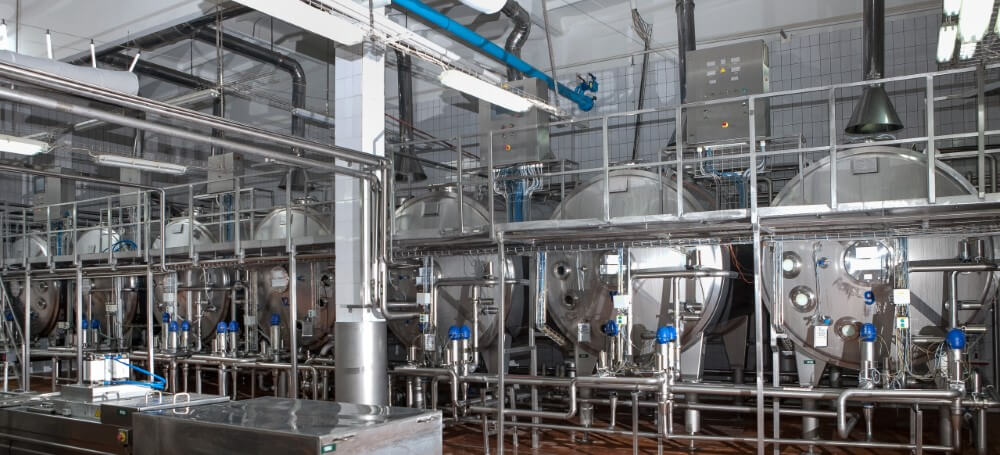
There is a clear potential to establish brewery-style smart factories for the mass production of food-grade fermented proteins. These can be located in urban areas, close to the target consumer base, and can deliver next-generation sustainability to the food supply chain.
The potential applications of fermented proteins are considerable. They are already showing promise as appetising dairy alternatives, e.g., substitutes for casein, whey, and egg proteins, and as bioactive peptides. Precision fermentation also produces sophisticated functional ingredients that can be added to processed foods or taken as a dietary supplement. Not only is there a proven market for protein supplements in the sports industry, but protein additives have exciting potential in the battle against hunger and malnutrition.
Investors who understand precision fermentation technologies and whose strategic vision includes promoting sustainability and circular economies are increasingly keen to back fermentation startups. The ability to create affordable food-grade proteins using smart technologies can be a game-changer in food production. It can also represent a significant step towards food security for disadvantaged nations and for countries that currently depend on food imports.
The precision fermentation of alternative proteins is still an emerging industry. Researchers have made huge technological advances, but there are still many obstacles to overcome. These include bottlenecks in the development of scalability, initially high production costs, as well as the need to gain regulatory approval in multiple jurisdictions.
Cell-Based Proteins: A Game-Changer for the Meat Industry
The global meat industry has come under increasingly critical scrutiny over the past generation. Concerns for animal welfare are driving a new demand for ethical farming practices, while environmentalists are questioning the carbon footprint (and strain on natural resources) that traditional farming creates. Cultivated meat and cell-based proteins are emerging as viable alternatives to farmed meat products, and there are now even restaurants that specialize in lab-grown meats.
Cultivated meat is essentially meat that is grown in laboratories from animal cells, but without the creation of sentient life. Manufacturers can grow a steak or a chicken breast but do not require a living animal to produce the meat. Not only do consumers have access to cruelty-free meat products, but there is no requirement to devote arable land to producing animal feed. Nor is there a major demand for drinking water (as much as 50 gallons a day for a cow) or a need to treat animals with antibiotics or other veterinary procedures.
Recent advances in the technologies behind the manufacture of cell-based proteins are transforming cell culture techniques, the composition of all vital growth media, and bioreactor efficiency. When Dutch researcher Mark Post displayed the first ever portion of cultivated meat in 2013, the estimated cost of the hamburger patty was $330,000. Production costs have decreased dramatically over the past decade as scalability has improved. Although there is not yet price parity with animal-sourced meat, lab-created meat is an affordable food choice for some consumers.
The biggest challenges facing cultivated meat producers are regulatory acceptance and consumer acceptance. There have been significant regulatory breakthroughs in markets like Israel and Singapore, while the US presents a more challenging regulatory environment. Consumer acceptance is essentially a marketing issue. Consumer education, familiarity, and affordability are likely to bridge the acceptance gap and create brand loyalty.
Plant-Based Alternatives: More Than Just a Trend
Nutritionally dense plant-based proteins can provide an ethically sourced and environmentally friendly source of protein that also provides dietary fibre and essential nutrients. Soy and pea proteins were initially utilized as sustainable proteins for plant-based alternatives to traditional meat, but interest is developing in fava beans, mung beans, and even mycoproteins (fungi).
The key challenge for food producers who want to market products derived from plant-based proteins is the basic “bite test”. Any food product that doesn’t satisfy consumer expectations for texture, taste, odor, and appearance will not survive in a competitive ecosystem. Even the most committed exponents of ethical alternative proteins will not continue to buy unappetizing food. There is considerable R&D focus on delivering functional ingredients that ensure the quality of next-generation plant-based foods.
Plant-based meat alternatives have a foothold in the food supply chain. The meat substitutes market amounts to US$11.34bn in 2025 and is expected to grow steadily. There are clear investment trends that show growth in startups and a healthy appetite for mergers and acquisitions. Companies that produce related ingredients and technologies e.g. phosphate-derived emulsifiers, can profit from market growth and expand their market penetration, particularly if they can meet consumer demand for healthy ingredients and food additives.
The ability to market plant-based proteins with clean-labeling (healthy ingredients and ethical sourcing) is a powerful advantage for food manufacturers. Where manufacturers can demonstrate that they are creating jobs within local markets – urban smart factories that process locally sourced legumes – they may enjoy an additional advantage. Market saturation is already an issue, and producers need to reach a wider consumer base with unique products in order to develop and maintain a competitive edge.
Scaling Agrifood Innovation: Corporate Investments and ICL Planet StartUp Hub’s Impact
Arguably, the single biggest force accelerating innovation in Agrifood and creating breakthrough technologies is corporate venture capital (CVC). Rather than following traditional investment models where investors allocate capital in the expectation of a fast ROI, there is a trend towards strategic long-term partnerships. Large corporations are offering their wider resources and expertise to startups (in addition to finance) and directly collaborating with them on the long journey to market. Corporate incubators and accelerators provide a safe harbour for startups, with a structured path towards maturity.
ICL Planet StartUp Hub offers funding and strategic collaboration to startup founders in the agrifood sector. The Hub focuses on high-potential startups that are leading the way in precision fermentation and the development of plant-based proteins. Hub startups can draw on ICL’s extensive industry connections and obtain immediate market reach, as well as benefit from ICL’s R&D facilities and business expertise.
ICL is committed to making a strategic contribution to the development of a sustainable global food supply and has recognized the key role that sustainable protein solutions can play in ending world hunger. Long-term partnerships with precision fermentation and alternative protein startups are driving commercialization, scalability, and global expansion for this potentially transformative segment of the food industry.
What’s Next? The Future of Sustainable Proteins and Functional Ingredients
Innovation in the field of functional ingredients and sustainable proteins is being enabled through the convergence of new technologies. The ability of researchers to harness and apply AI, synthetic biology, and data science is opening the door to breakthrough advances in the creation of edible proteins, particularly when researchers seek to replicate natural processes or innovate on a molecular level.
Flexibility and creativity are some of the characteristics that set truly groundbreaking agrifood startups apart from their competitors. A bold approach to functional ingredients, combined with great market insights, is driving a trend towards hybrid protein solutions, e.g., solutions containing a blend of plant and fermentation-based proteins. There is also a market for functional ingredients that can augment existing foods to boost their nutritional density and value.
One area where organizations like Planet Startup Hub provide special value to innovators is by providing assistance to navigate regulatory hurdles and gain official acceptance and market access for new agrifood solutions. Industry experts can help to form policy and to shape the future regulatory ecosystem. Gaining government backing – and public acceptance – for alternative proteins and functional ingredients is essential to build a next-generation food supply chain. Successful public-private collaborations can expedite the widespread adoption of sustainable proteins.
Conclusion
The current global agricultural and food distribution system is outdated. It is not only failing to meet global food demands, but it is also causing an unnecessarily high carbon footprint and additional environmental damage. Investment in sustainable proteins, including cultivated meat and cell-based proteins, can reduce negative environmental impacts and improve food security. As the world’s population expands and the planet becomes warmer, there is an urgent need to do both within the next decade.
The alternative protein sector is an emerging market, and the current ecosystem contains plenty of space for businesses and investors to leverage innovation for profitability and sustainability. The interim goal is to create a structured investment environment that identifies the most promising alternative protein startups, shortens their journey to market, and increases their survivability.
If you share ICL’s vision of the role that sustainable proteins and functional ingredients can play in an improved global supply chain, join us in developing the future of agrifood innovation. There is a unique opportunity for new technologies to feed the world and for corporate investors to drive that innovation.
